
Industrial Noise Control
การควบคุมเสียงรบกวนในอุตสาหกรรม
Workplace noise assessment, hearing conservation programs, and industrial noise reduction solutions.
การประเมินเสียงรบกวนในสถานที่ทำงาน โปรแกรมการอนุรักษ์การได้ยิน และโซลูชันการลดเสียงรบกวนในอุตสาหกรรม
Typical Applications
Key Benefits
- •Protect worker hearing
- •Comply with regulations
- •Reduce liability
- •Improve productivity
Relevant Standards
Our equipment complies with international standards for industrial noise control.
Recommended Products for Industrial Noise Control
2 products available for this application
NOISEQC
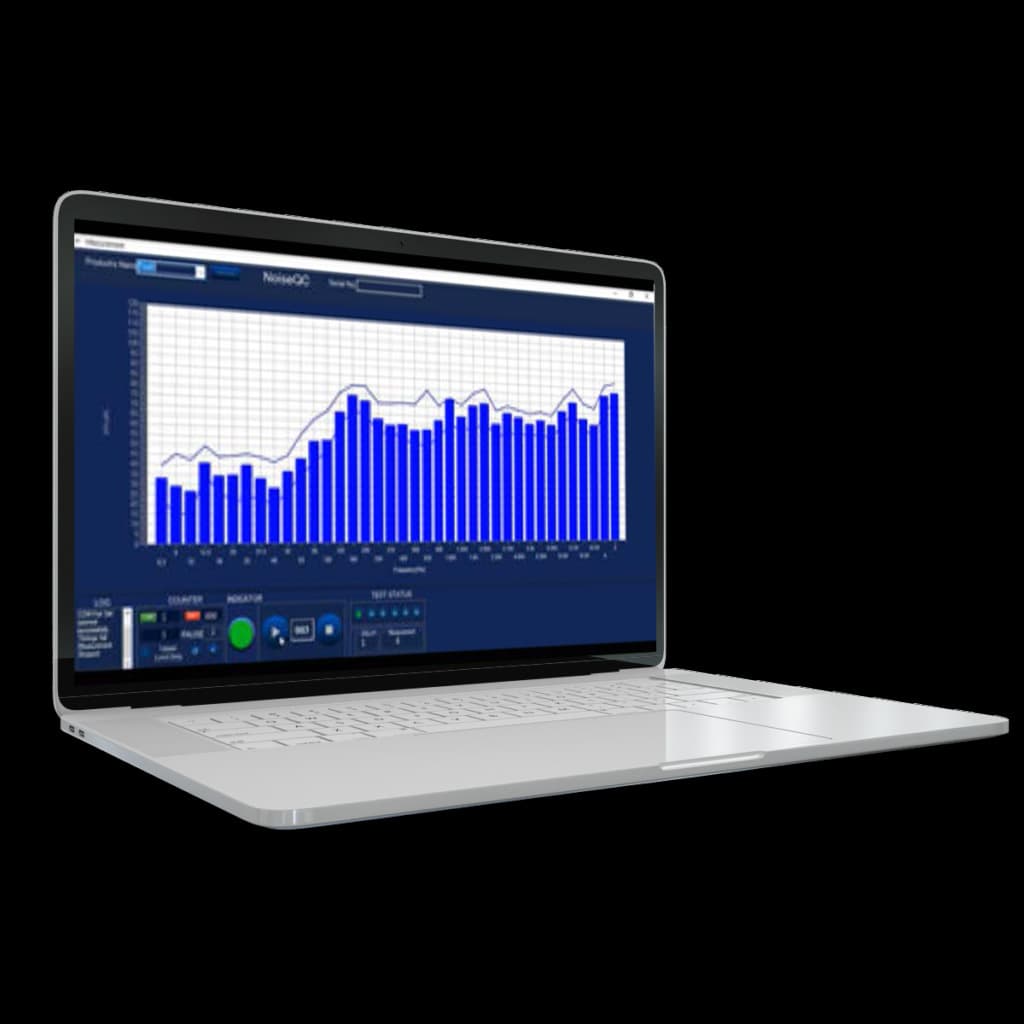
NoiseQC Production Control Software – Multi-Channel Acoustic & Vibration QC with PLC Integration
NoiseQC Production Control Software is a professional-grade acoustic and vibration measurement solution engineered for precise end-of-line quality control across diverse manufacturing industries. Leveraging cutting-edge sound and vibration analysis technologies, NoiseQC automates defect detection processes by delivering reliable, real-time Go/No Go assessments in under two seconds to ensure production efficiency and superior product quality. Equipped with multi-channel testing capabilities, NoiseQC supports up to six simultaneous measurement channels per unit, allowing comprehensive acoustic and vibration profiling. The software seamlessly integrates with Programmable Logic Controllers (PLC), enabling automated production line control and immediate response to quality anomalies. It supports high-fidelity inputs from calibrated microphones and vibration accelerometers to provide detailed frequency and amplitude analyses, critical for detecting common manufacturing defects such as buzz, squeak, rattle (BSR), and abnormal vibration patterns. Designed with rigorous industrial standards in mind, NoiseQC complies with IEC 61672 for sound level measurements, ISO 10816 for vibration monitoring, and ANSI guidelines for quality assurance, positioning it as a dependable tool for manufacturers adhering to strict regulatory and quality frameworks. NoiseQC’s primary applications include automotive Noise, Vibration, and Harshness (NVH) testing, aerospace component inspections, production quality control in electronics and heavy machinery, building acoustics performance verification, and environmental noise monitoring. This software is ideal for quality engineers, acoustics researchers, and technical consultants requiring precise, repeatable acoustic and vibration data for defect identification and mitigation. With advanced data logging capabilities featuring timestamped records and export options, NoiseQC facilitates comprehensive traceability and process optimization initiatives. Manufacturers can confidently streamline end-of-line inspections while reducing manual errors and production downtime. Request a quote today to optimize your production quality control process with NoiseQC, the industry-standard solution for professional acoustic and vibration measurement.
PLACID-ANGEL
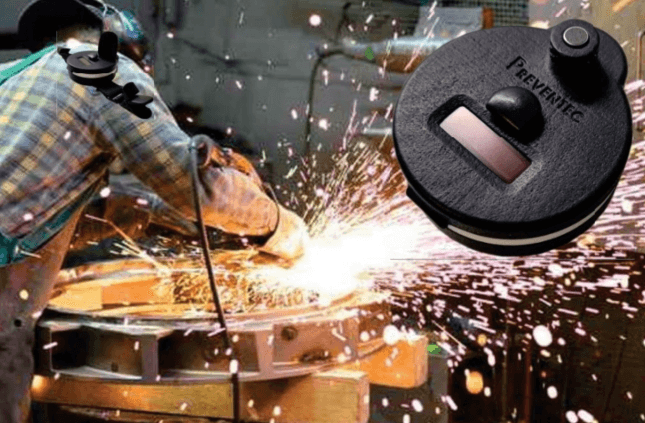
PLACID Angel Noise Dosimeter, IEC 61252
The PLACID Angel is a personal noise dosimeter to IEC 61252 and ANSI S1.25, made in France. It measures 20 Hz to 16 kHz over a 50 to 120 dB range and reports LEX,8h and percentage dose, the quantities required for occupational noise exposure assessment to ISO 9612 and to Thai and ASEAN workplace regulations. Battery life is 30 hours, so a full shift or a multi-day survey runs without recharging. Shoulder mounted and cable free, it does not interfere with the work being measured. Placid Asia is the authorized distributor for Thailand and ASEAN.
About Industrial Noise Measurement & Control Equipment
Industrial noise control begins with an accurate noise survey to map sound pressure levels across a facility and identify dominant sources. Personal noise dosimeters measure worker exposure as 8-hour time-weighted average (TWA) and dose percentage against occupational exposure limits (OELs). Placid Asia supplies Class 1 and Class 2 sound level meters (Norsonic, Bedrock Elite), personal noise dosimeters (Norsonic Nor1221A), and octave-band analyzers for source characterisation required by ISO 9612 and Thai Ministry of Labour regulations.
Recommended Instruments
Norsonic Nor1221A
Personal noise dosimeter for continuous 8-hour TWA measurement, ISO 9612
Norsonic Nor145 / Nor140
Class 1/2 sound level meter for industrial noise surveys and source identification
Bedrock Elite BTB65 / BTB115
Class 2/1 sound level meters with talkback for factory floor use
NL-52 Sound Level Meter
Compact Class 2 SLM for routine spot-check measurements and compliance verification
Applicable Standards
Frequently Asked Questions
What is the permissible noise exposure limit for Thai industrial workers?
Thai Ministry of Labour regulations set the permissible exposure limit (PEL) at 90 dB(A) as an 8-hour TWA, with a 3 dB exchange rate. Exposures above 85 dB(A) require hearing conservation programmes including audiometric testing.
What is the difference between a sound level meter and a noise dosimeter?
A sound level meter measures instantaneous or time-averaged sound levels at a fixed point. A personal noise dosimeter is worn by a worker throughout the shift, integrating all exposures to calculate the 8-hour TWA dose according to ISO 9612.
Need Expert Guidance?
Our application engineers have extensive experience in industrial noise control and can help you design the perfect measurement solution.
Talk to an Expert